At first glance, the trail camera footage looked like chaos unleashed.
A massive silverback gorilla burst into an abandoned campsite, his sheer size filling the frame. With raw strength, he overturned storage bins, ripped through fabric, shattered equipment, and dug furiously through every corner of the site. His movements weren’t random — they were frantic, urgent, almost desperate. To anyone watching without context, it looked like blind rage. Another wild animal destroying what humans left behind.
But the truth was far more heartbreaking.
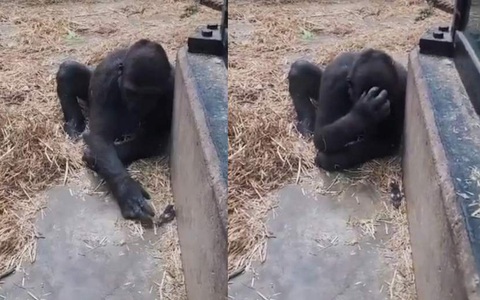
When investigators reviewed footage from earlier that same day, the story changed completely. Hours before the silverback arrived, the camera had captured poachers slipping through the forest. They moved quickly and quietly, setting a metal cage before vanishing into the trees. Inside that cage were two infant gorillas — taken alive.
Authorities later confirmed what the footage implied: the silverback was their father.
He hadn’t wandered into the campsite by chance. He had followed the poachers’ trail — their footprints pressed into damp soil, the faint marks of tires cutting through leaves and mud. Mile after mile, he tracked them through unfamiliar territory, driven by the same instinct shared by parents across every species: find your children.
When he reached the campsite, the scent was still there. The humans were gone. The babies were gone. And so he searched.

Every flipped bin, every torn tent panel, every violent sweep of his arms was not anger — it was panic. It was a father tearing apart the last place his children had been seen, refusing to accept their absence, refusing to leave without answers.
When the footage was released, it spread rapidly around the world. Public outrage erupted. Wildlife organizations mobilized. Authorities launched an urgent search, fueled not just by law, but by empathy. People didn’t see a monster on that screen — they saw grief.
Within days, the effort paid off.
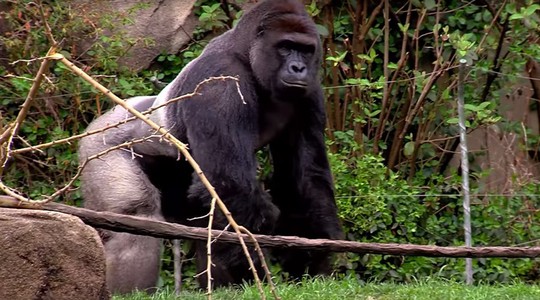
The poachers were captured. The infant gorillas were found alive, frightened but unharmed. And when rescuers reunited them with their father, even seasoned conservationists struggled to describe what they witnessed. The silverback approached cautiously at first, then gathered the babies close, pressing them against his chest, vocalizing softly — a sound rarely heard by humans.
One rescuer later said, “It didn’t feel like observing wildlife. It felt like witnessing a family being put back together.”
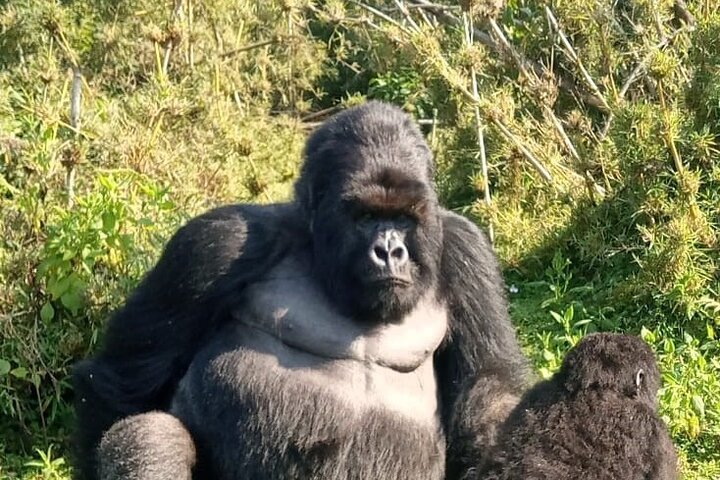
The story became a powerful reminder of something we too often forget: intelligence, love, and devotion are not uniquely human traits. In the wild, bonds run deep. Loss is felt. Hope endures.
That silverback didn’t destroy a campsite out of rage.
He searched it out of love.
And his story stands as both a warning and a promise — a warning about the damage humans can inflict, and a promise that even in the harshest corners of nature, a parent’s instinct to protect their children remains one of the strongest forces on Earth.