A bear slipped out of his enclosure at a wildlife sanctuary, and panic spread instantly.
This wasn’t just any animal. He was still recovering from an injury. So when the security monitors showed an empty habitat, hearts dropped. Every worst-case scenario rushed in at once—fear for the bear, fear for the staff, fear of what could happen if something went wrong.
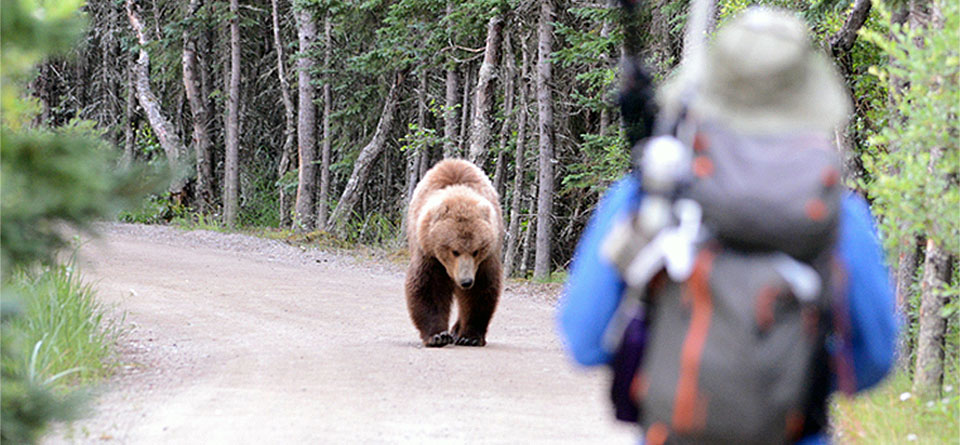
Within minutes, teams were mobilized. Radios crackled with urgent updates. Phones rang nonstop. Lunch plans vanished as keepers and rangers spread across the grounds, scanning trees, trails, and fences, bracing for a crisis. An injured bear on the loose could mean disaster—for him and for everyone around him.
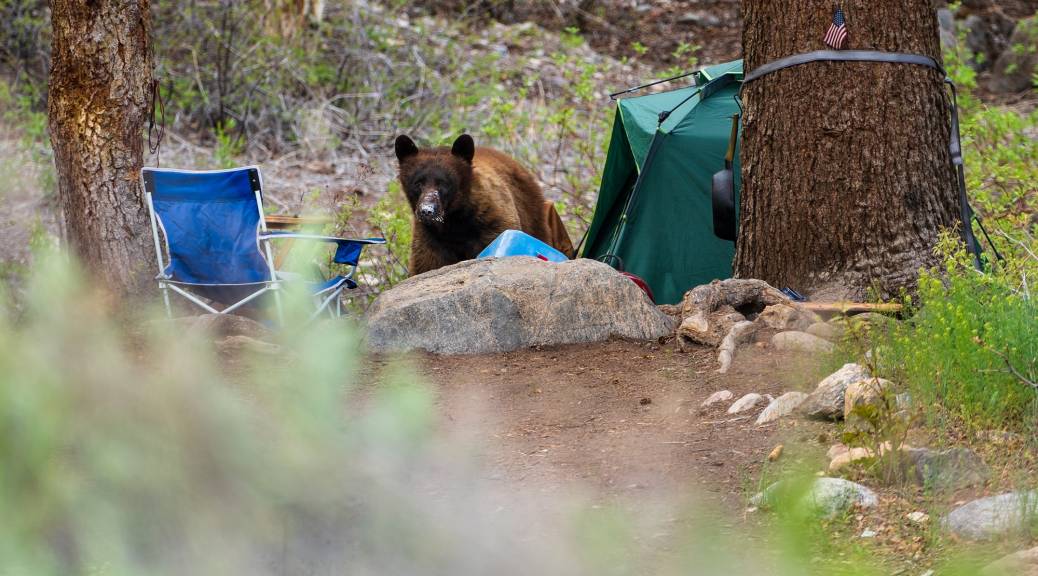
Then, just before noon, the tension broke.
A camera near the enclosure flickered with movement. Slowly, almost casually, the bear came into view—climbing back over the fence on his own. No limping. No distress. No signs of panic. He moved with steady confidence, as if he’d merely stepped out for some fresh air and decided it was time to come home.
Relief washed over the sanctuary. Nervous laughter followed.
“Well,” one staff member joked, “at least now we know he’s healing—and he still knows exactly where the food is.”
Sometimes wildlife doesn’t run away.
Sometimes it doesn’t panic the way humans expect.
Sometimes, it just goes for a walk…
and comes back when it’s ready.