In Season 4, the winds shift once again over the Navajo Nation as Lieutenant Joe Leaphorn finds himself drawn into a case that feels both deeply personal and eerily supernatural. A series of unexplained deaths strikes several remote communities, each victim found with symbols carved into the earth nearby—ancient markings that hint at ceremonies long abandoned or corrupted. The tribal police struggle to make sense of the pattern, while whispers spread across the desert about a malevolent force returning to reclaim old ground. For Leaphorn, the case reopens wounds tied to his family’s history and forces him to confront unresolved grief he hoped had finally settled.
Jim Chee, still searching for spiritual balance and clarity in his life, becomes entangled when a missing-persons case overlaps with Leaphorn’s investigation. A young medicine student vanishes without a trace, leaving behind a trail of clues pointing toward an outlaw spiritual faction known to manipulate traditional ceremonies for profit and control. Chee’s intuition, shaped by his upbringing and training, pulls him deeper into a labyrinth of deceit, ritual exploitation, and power struggles within the community. But Chee also grapples with his own doubts: whether he still belongs in law enforcement or should fully embrace the spiritual path he has long felt drawn to.
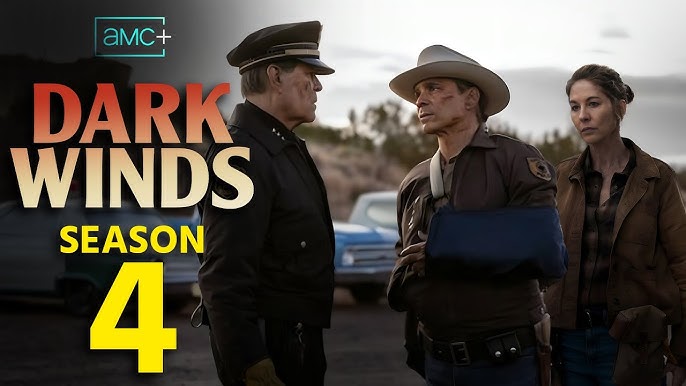
Bernadette Manuelito’s return brings both strength and conflict. Though determined and resilient, she carries scars from the events of the previous seasons, and her efforts to reintegrate into the force are met with resistance. When she discovers evidence suggesting the killings may be connected to a broader trafficking network operating near the reservation borders, Manuelito becomes a crucial piece of the puzzle. Her journey leads her to confront political corruption, hostile outsiders, and her own fears about whether justice can truly be served in a land where outside forces constantly seek to exploit Navajo vulnerability.

As the investigation deepens, the trio uncovers a dangerous coalition between rogue medicine men, smugglers, and an elusive figure known only as “The Whisperer,” a charismatic manipulator who blends traditional beliefs with violent extremism. His followers see him as a prophet who promises protection from modern encroachment—at a terrible cost. Leaphorn, Chee, and Manuelito must navigate the tension between cultural respect and the necessity of stopping those who weaponize tradition for personal gain. Every step closer to the truth pushes them further into moral gray zones where the law, spirituality, and survival collide.
The season builds toward an explosive confrontation in a remote canyon, revered in Navajo oral history as a place where spirits and humans once crossed paths. Here, The Whisperer orchestrates a ritual meant to bind his followers through fear and blood, using kidnapped victims as sacrifices to solidify his power. Leaphorn’s tactical resolve, Chee’s spiritual insight, and Manuelito’s courage intertwine as they battle both the human threats before them and the psychological weight of the land’s ancient stories. The showdown is intense, claustrophobic, and haunting, revealing the devastating consequences of mixing faith with fanaticism.
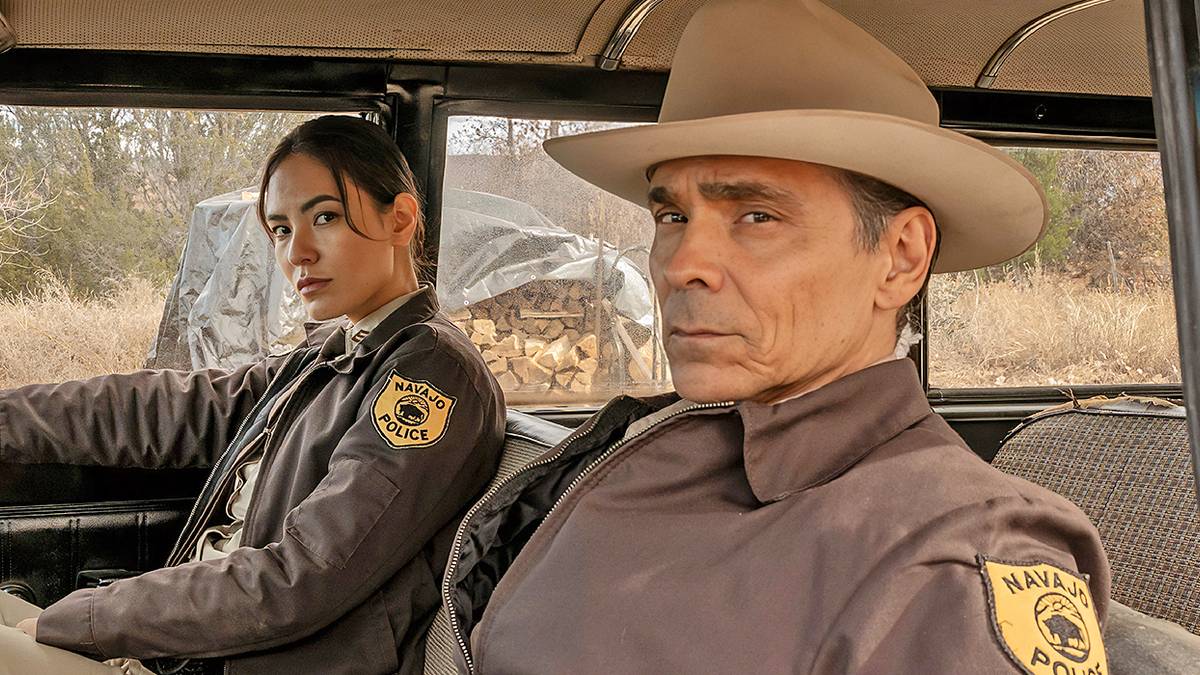
In the quiet aftermath, the desert wind carries both loss and renewal. The victims are mourned, the perpetrators dismantled, but the emotional cost left on the trio is immense. Leaphorn reflects on the cyclical nature of violence in a land where history is always present; Chee stands at a crossroads, realizing he must finally choose between two paths; and Manuelito finds new strength in her resilience and a renewed commitment to her community. Season 4 closes with the three standing on a ridge at sunset, the horizon glowing red and gold—a reminder that the land remembers everything, and that healing, like justice, is a long and difficult journey.